Each person has his or her own perception when it comes to How to Replace a Toilet Flange.

Intro:
Recognizing the Importance of a Toilet Flange:
In the realm of plumbing, the often-overlooked commode flange plays a pivotal duty in making certain the seamless procedure of your restroom components. As a vital port in between your commode and the underlying waste pipe, the bathroom flange functions as the unhonored hero of your plumbing system. Without this durable component, your commode would certainly be prone to instability and leaks, potentially causing costly repair work and aggravation. As a result, understanding the value of a properly set up and kept bathroom flange is critical for any kind of home owner embarking on plumbing tasks or attending to repair service demands.
Why Proper Installation and Maintenance Matter:
Correct installment and careful maintenance of the bathroom flange are important for protecting the integrity of your plumbing framework. A thoroughly set up flange not just anchors your bathroom safely in place yet likewise forms an impenetrable seal, preventing the dangers of leakages and smells. By embracing an aggressive technique to flange maintenance, you can reduce the threat of disruptive plumbing problems and protect the serenity of your home setting. Throughout this insightful guide, we'll unwind the details of bathroom flange installation and repair service, equipping you with the knowledge and competence to browse these important tasks adeptly.
Ideal Practices When Installing a Toilet Flange:
Ensuring a smooth bathroom flange setup needs adherence to a set of ideal techniques that assure toughness and capability. Begin by meticulously assessing your devices and products, ensuring you have the necessary devices for the work in advance. Choosing the proper flange product, whether PVC, ABS, or cast iron, is critical, as it identifies the durability and performance of your plumbing fixture. In addition, evaluating existing plumbing problems, such as checking for damage or corrosion, is vital for preemptively addressing prospective difficulties and making certain a smooth installment process. By adopting these primary actions, you set a solid structure for a successful toilet flange installation, minimising the chance of future issues and assisting in long-lasting maintenance.
When properly prepared, proceed with the mindful elimination of the old flange, following a methodical strategy to stay clear of triggering damages to bordering elements. Employ techniques customized to attend to stubborn or rusted flanges, guaranteeing their swift and risk-free elimination without endangering the integrity of the surrounding plumbing infrastructure. With the old flange got rid of, diligently install the brand-new replacement flange, choosing one that fits snugly and securely right into place. Appropriately safeguarding the flange to the flooring using screws or adhesive is vital, as it guarantees security and stops future leakages. By adhering to these ideal methods during the installment procedure, you lay the groundwork for a durable and trustworthy commode flange configuration that stands up to the test of time.
Setting Up a New Toilet Flange:
When mounting a brand-new toilet flange, the very first step is to choose the ideal substitute for your plumbing configuration. Consider elements such as the product of the flange, with alternatives consisting of PVC, ABS, or cast iron. PVC flanges are known for their cost and resistance to corrosion, making them a prominent selection for DIY lovers. Abdominal muscle flanges provide similar benefits to PVC however brag added resilience, making them appropriate for high-traffic locations or industrial settings. Cast iron flanges, renowned for their toughness and durability, are suitable for installations where toughness is paramount. Additionally, make sure that the substitute flange is effectively sized and fits snugly right into place to develop a water tight seal and protect against leaks.
Securing the Flange to the Floor:
Once you've selected the ideal substitute flange, it's essential to safeguard it properly to the floor to make certain security and protect against future concerns. Begin by positioning and straightening the flange properly over the waste pipe, ensuring that it sits flush with the floor surface. Relying on the sort of flange and your details installation choices, you can protect the flange to the floor utilizing screws or sticky. If utilizing screws, be sure to use corrosion-resistant alternatives to avoid rusting over time. Alternatively, adhesive can give a safe and secure bond between the flange and the flooring, guaranteeing a durable and trusted installation. By complying with these actions and taking the required precautions, you can set up a brand-new commode flange with self-confidence, ensuring a durable and leak-free plumbing component.
Finest Practices When Repairing a Broken Flange:
Fixing a broken toilet flange needs thorough attention to detail and adherence to ideal practices to guarantee an enduring service. Begin by extensively analyzing the level of the damages and identifying the underlying cause, whether it be deterioration, splits, or imbalance. This analysis will certainly direct your repair service approach, enabling you to pick the most appropriate techniques and products for restoring the flange to its optimal condition. Furthermore, think about the surrounding plumbing infrastructure and flooring stability to attend to any kind of prospective adding factors and stop future issues from occurring. By carrying out an extensive evaluation and analysis, you lay the groundwork for an effective and long-lasting repair service process that settles the source of the problem.
With a clear understanding of the flange's problem and the aspects influencing its damages, proceed with the repair service procedure making use of precision and care. Depending upon the seriousness of the damages, you may select repair methods such as epoxy putty, repair service flange kits, or partial flange replacements. Make sure that the selected repair technique effectively resolves the particular problems handy while maintaining the structural stability and capability of the flange. Additionally, take proactive steps to reinforce the repaired flange and avoid future damage, such as applying sealant or waterproofing materials to protect against leaks and rust. By adhering to these best techniques throughout the repair work process, you can recover your damaged flange to ideal condition, making sure the long-term dependability and efficiency of your plumbing system.
Types of Toilet Flanges:
Comprehending the different types of commode flanges is necessary for selecting one of the most suitable choice for your plumbing needs. PVC, ABS, and cast iron are amongst the common materials made use of in bathroom flange construction, each offering unique benefits and considerations. PVC flanges, known for their cost and deterioration resistance, are favoured for their convenience of installation and sturdiness. ABS flanges, similar to PVC in terms of price and convenience of installment, are prized for their robustness and resistance to effects. On the other hand, cast iron flanges, renowned for their exceptional strength and long life, are often preferred for high-traffic locations or business settings where toughness is vital. By familiarising yourself with the features of each product, you can make a notified decision when choosing a toilet flange that straightens with your certain demands and preferences.
In addition to material considerations, commode flanges additionally come in different styles and designs to fit different plumbing arrangements and installation choices. Offset flanges, as an example, are created to accommodate bathrooms set up on floorings that are not level or where the waste pipe is located off-centre. Likewise, repair service flanges, additionally called repair rings or spacer rings, are used to deal with problems such as broken or broken flanges without the requirement for substantial plumbing adjustments. Furthermore, adjustable flanges provide flexibility ready, permitting exact positioning and fit during installation. By discovering the varied range of bathroom flange kinds and layouts readily available, you can choose the choice that best matches your plumbing arrangement and setup demands, making sure a seamless and dependable remedy for your shower room fixtures.
Specialized Options:
In addition to standard commode flanges, there are specialty alternatives available to attend to details plumbing challenges and installation choices. One such option is the countered flange, which is created to fit toilets installed on floors that are not level or where the drain is located off-centre. Balanced out flanges include an unique design that allows the bathroom to be positioned at a minor angle, making up for irregular floor covering or misaligned plumbing links. This ingenious option makes sure a safe and secure installment, removing the requirement for expensive and taxing flooring progressing or pipeline relocation. By incorporating a countered flange right into your plumbing configuration, you can conquer common installation barriers and accomplish a professional-quality result effortlessly.
One more specialty option worth thinking about is the repair flange, likewise referred to as a fixing ring or spacer ring. Repair flanges are especially created to attend to problems such as cracked or damaged bathroom flanges without the need for considerable plumbing adjustments. These versatile elements can be installed straight over the existing flange, offering a tough and trustworthy base for securing the bathroom in position. Repair flanges been available in numerous sizes and configurations to suit different flange diameters and setup needs, making them a convenient and economical remedy for dealing with flange-related issues. Whether you're dealing with a minor flange repair service or an extra intricate plumbing concern, including specialty options like offset and repair flanges can streamline the installation procedure and ensure long-lasting performance for your restroom fixtures.
Conclusion:
Finally, understanding the art of bathroom flange installation and repair is crucial for keeping a useful and leak-free plumbing system in your house. By comprehending the importance of a properly set up flange and adhering to ideal techniques throughout the process, you can make certain the long life and integrity of your washroom fixtures. Whether you're selecting the ideal kind of flange, conducting repairs, or discovering specialty options, focus to information and meticulous execution are essential. Normal upkeep and proactive fixing can aid avoid expensive plumbing problems and maintain the peace of your household environment. Armed with the understanding and skills gotten from this comprehensive overview, you can deal with commode flange installment and repair with self-confidence, equipping you to guard your plumbing system for years to find.
How to Install a Toilet Flange on A Concrete Floor
Preparation in Installing or Replacing a Toilet Flange
Gloves Screwdriver Hacksaw or a power saw Measuring tape Putty knife Hammer New screws (if needed) New T-bolts (if needed) New wax ring (if needed) Remove the Old Flange
The first step is to remove the old flange. You can unscrew the bolts that hold the flange in place. If the bolts are rusted or stuck, you may need a grinder to get them out.
Once the bolts are out, you should be able to pull the flange out if needed. You can try prying it out with a screwdriver or a putty knife if it’s stuck.
Scrape off the Old Wax Ring
Now that the flange is out, you need to remove the old wax ring. You can do this by scraping it off with a putty knife. Be sure to get all of the wax off so that the new wax ring will adhere properly.
Clean the Area around the Drain
Once the wax ring is removed, you need to clean the area around the drain. This will ensure that the new flange is attached appropriately.
You can use a brush and some soapy water to clean the area. If there is any rust or build-up, you may need to use a power drill with a wire brush attachment to remove it.
Measure the Size of the Flange
Now that the area is clean, you need to measure the size of the flange. This will ensure that you get the correct size flange for your toilet.
Most flanges are either 3 or 4 inches in diameter. To measure the diameter, you will need to use a tape measure.
Select the Correct Size Flange
Once you know the diameter of the flange, you need to select the correct size. If you’re not sure which size to get, you can always ask a salesperson at the hardware store for help.
One way to ensure that you get the right size flange is to take the old one to the store. Just make sure that the old flange is clean and free of any wax or build-up.
Set the Toilet Flange in Place
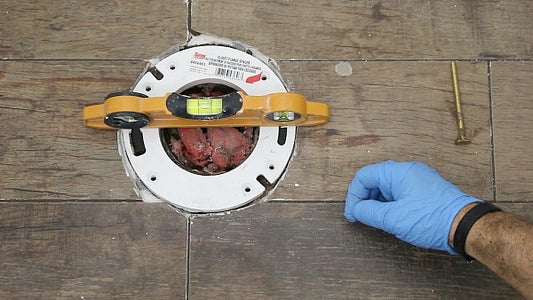
The next step is to set the new flange in place. You will need to align the flange with the drain to line up the bolt holes. It would help if you also considered the distance from the wall.
Most flanges are designed to be installed about 12 inches from the wall to the center of the flange. However, you may need to adjust this based on the size of your toilet. Our favorite flanges to install are twist in flanges which you can pick up from your local Home Depot. You can check them out here.
Drill Holes for the Screws
Once the flange is in place, you need to drill holes for the screws in the concrete. You will need to use a concrete drill bit that is slightly smaller than the screws.
The number of screws you need will depend on the size of the flange. Most flanges require four screws to hold them in place.
Install the Screws
Once the holes are drilled, you can install the screws. You will need to use a screwdriver to tighten them in place. Be sure not to overtighten the screws as this can damage the flange and may cause the toilet to leak from the base.
Place the New Wax Ring on the Flange
Now that the flange is installed, you need to place the wax ring on top. The ring should fit snugly around the flange.
If you’re not sure which size wax ring to get, you can always ask a salesperson at the hardware store for help.
Set the Toilet Bowl in Place
Now that the wax ring is in place, you can set the toilet bowl in place. You will need to align the bolt holes with the holes on the flange. Once the bowl is in place, you can start to tighten the bolts.
Connect the Water Supply Line
The final step is to connect the water supply line to the toilet. You will need to screw the line into the fitting on the bottom of the tank.
Once the line is tight, you can turn on the water supply and flush the toilet to check for leaks. If there are no leaks, then you’re done! You’ve successfully installed a toilet flange.
If you want to know more about the entire toilet installation process, from removing to installing a new toilet, you can check out our article about How to Remove a Toilet and Replace It With a New One.
Conclusion
Installing a toilet flange is a relatively easy do-it-yourself project. Just be sure to measure the flange and select the correct size. Also, you should remember is that the screws must be hand tight only; overtightening them may cause the flange to break.
However, if you have doubts about your plumbing skills, it’s always best to call a professional plumber to help you install your toilet flange or even your entire toilet. This can save you time, money, and headaches because they know how to do it quickly and efficiently.
If you live in Lower Mainland Canada and need a trustworthy and experienced plumber to install your toilet flange, Your Guy Plumbing is here to assist you 24/7. We offer toilet installation and repair, as well as other plumbing services to meet all of your needs.
Hopefully you liked our part about How to Replace a Toilet Flange. Thanks for finding the time to read our blog. Do you know about someone else who is excited about Toilet Flanges? Be sure share it. We appreciate reading our article about How to Repair a Toilet Flange.
Click Here